Scale & Strategy
together with
This is Scale & Strategy, the map and compass of business newsletters (we show you what’s ahead).
Here’s what we got for you today:
- People are quitting social platforms at scale. Here’s why it matters.
- How to combat email fatigue
People are quitting social platforms at scale. Here’s why it matters.
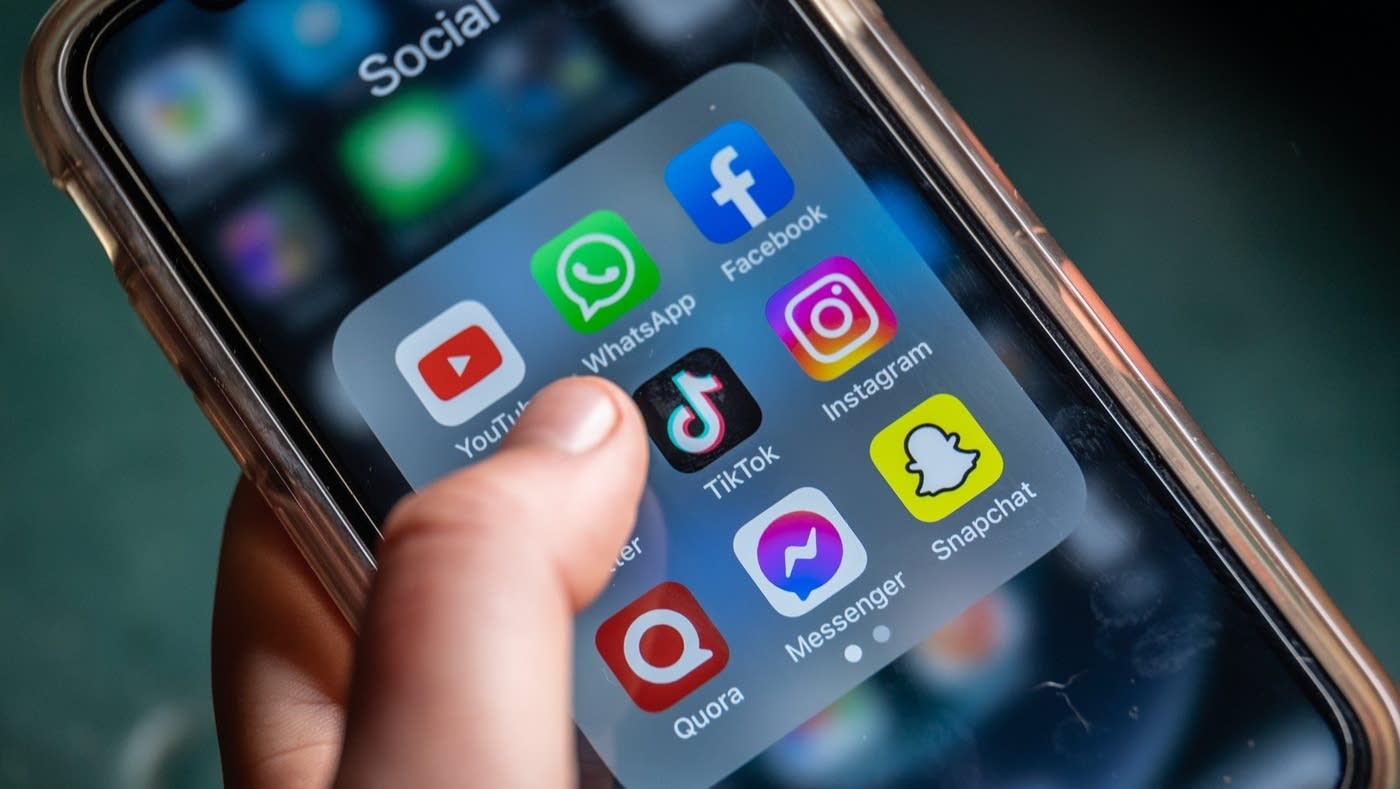
There’s a mass social media breakup underway.
Search data shows nearly 2M Americans a month are actively looking for ways to delete their accounts. Before you sink a dollar or a quarter into any platform, you need to understand what’s driving the exodus and how not to replicate the same fatigue with your own content or ads.
Here’s the leaderboard of platforms users are trying to escape:
- Instagram: Nearly 600k monthly deletion searches. Only 5 percent want a “break.” The rest want out permanently. Constant comparison has turned the app into a burnout machine.
- TikTok: ~460k people search how to leave. Problem is, the algorithm is sticky enough that they often boomerang back. Hard to quit when the feed knows you better than your friends.
- Snapchat: Massive user base, flat growth, rising deletion intent. Privacy concerns and fading novelty are finally catching up.
- Facebook: The usual privacy soap opera drives people away, but one in five end up crawling back because it’s still the family bulletin board.
- X: Around 250k monthly exit searches. The politics-and-outrage cocktail is wearing people down.
- YouTube: 185k searches out of 2.7B users. When a platform feels like a tool instead of a performance stage, churn stays low.
- LinkedIn: 15k deletion searches. No one wants to delete their public résumé, even if the feed is half self-promo and half corporate cosplay.
- Reddit: Only 8k deletion searches. Community, anonymity, and self-curation are a resilient combo.
- Pinterest: 7k searches. People don’t rage-quit dream kitchens and wedding boards.
- Threads: Under 6.5k. Either people don’t care enough to delete it, or it’s too tied to Instagram to bother.
The takeaway:
Platforms built on comparison, addiction loops, and algorithmic chaos generate burnout. Platforms built on utility or community keep people loyal.
If you’re creating content or running ads, do it in a way that actually helps the user. Don’t add to the noise. Be the thing people opt into, not another reason they hit “delete account.”
Notion gives you the workspace your startup deserves — docs, tasks, product roadmaps, team wikis, and investor updates in one clean space.
For a limited time, early-stage startups get 6 months of Notion Premium free. No credit card. No catch.
How to combat email fatigue
Inbox fatigue is real. Most people’s email looks like a junkyard, and 63 percent of marketers blasting more volume isn’t exactly helping. Shopify’s data makes it clear: we’re headed for a flood, not a drizzle.
When subscribers get tired, your metrics collapse. If you ignore it, you don’t just lose opens. You rack up unsubscribes, spam complaints, and long-term deliverability damage you won’t fix with a “sorry about that” campaign.
Here’s how to keep your list alive:
- Watch your metrics like a hawk.
Sudden drops in opens or clicks are an early warning system. If numbers fall off a cliff, pause and diagnose before you torch your sender reputation.
- Clean your audience.
Stop hoarding inactive subscribers. Ask them if they still want in or cut them. A smaller list that actually engages beats a padded vanity list every time.
- Segment with intent.
Segmentation works because relevance works. Target based on behavior, frequency, and interests. Treating everyone the same is the fastest way to make your list disappear.
- Give people control.
A basic unsubscribe page is lazy. Build a preference center so subscribers can pick frequency and topics. When people feel in control, they stick around.
- Personalize beyond the bare minimum.
Most marketers use personalization because it moves numbers. Go past “Hi {Name}” and use actual data: past purchases, timing, product affinities.
- Only send content worth opening.
Tips, how-tos, curated insights. Weekly sends usually perform best because they give people signal, not noise. If the email doesn’t add value, it’s just another reason for people to tune out.
Email still works. But only if you respect the inbox.
Was this email forwarded to you?
That’s it for today and as always It would mean the world to us if you help us grow and share this newsletter with other operators.
Our mission is to help as many business operators as possible, and we would love for you to help us with that mission!